From Student to Caregiver: Making a Real Impact
More Than Learning to Care: Preparing to Make a Difference
Becoming a nurse starts with a desire to help others. But turning that desire into a career takes more than compassion alone.
It takes knowledge, confidence, clinical judgment and the ability to respond when someone needs you most.
For students considering a career in nursing, the journey from classroom to patient care is one of the most meaningful parts of their education. It's where scientific knowledge becomes practical skill, where challenges become learning opportunities and where students begin discovering the kind of healthcare professionals they want to become.
For those searching for a nursing school in Kansas City, choosing the right program means finding an education that prepares you for more than passing exams. It means developing the skills and confidence to make a real difference in patients' lives.
At Rockhurst University, nursing education emphasizes both professional preparation and the human side of healthcare, helping students connect what they learn to the people they'll eventually serve. Explore the Bachelor of Science in Nursing (BSN) program offered through Saint Luke's College of Nursing and Health Sciences.
Building Confidence Through Hands-On Learning
There's a difference between understanding a clinical procedure and feeling confident performing it.
Nursing requires students to take the knowledge they gain in the classroom and apply it in situations where critical thinking, communication and attention to detail matter.
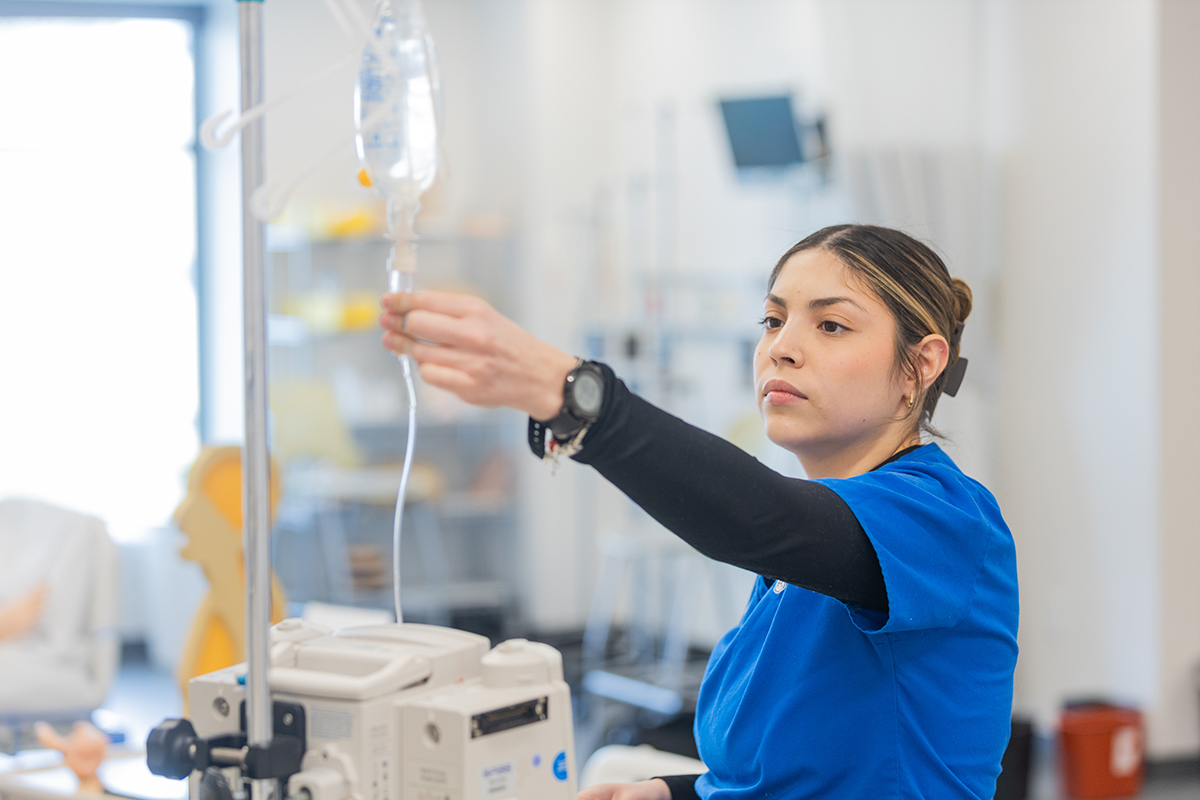
Rockhurst's nursing program provides hands-on learning to help bridge that gap.
Through simulation-based education and practical skill development, students can practice responding to patient scenarios, strengthen their clinical reasoning and become more comfortable making decisions. Rockhurst's Seelos Simulation Center in Sedgwick Hall offers manikins, working medical equipment and observation rooms for this kind of practice.
These experiences create opportunities to learn, ask questions and build confidence before entering professional practice.
For aspiring nurses, preparation is essential. The goal isn't simply to remember what to do in a particular situation. It's to understand why those decisions matter and how they affect patient outcomes.
Turning Classroom Knowledge Into Real Patient Care
Some of the most valuable lessons in nursing education happen when students begin connecting what they've studied to real healthcare environments.
Clinical experiences provide opportunities to observe patient care, work alongside healthcare professionals and understand how different members of a medical team contribute to a patient's well-being.
They also introduce students to the realities of nursing that a textbook can't always capture.
Patients have different needs, backgrounds, concerns and circumstances. Nurses must be prepared to adapt, communicate clearly and provide care that considers the whole person.
For students comparing nursing schools in Kansas City, clinical learning opportunities should be an important part of the decision. Ask how a program connects classroom instruction with clinical education, how students receive feedback and how those experiences help prepare graduates for the responsibilities of professional nursing. Rockhurst's BSN students complete clinical rotations at Saint Luke's hospitals across the Kansas City area, and you can learn more about BSN clinical rotations.
Learning to Care for the Whole Person
A patient is more than a diagnosis, a medical chart or a set of symptoms.
Behind every treatment plan is a person who may be experiencing fear, uncertainty, pain or a major life transition.
Effective nursing requires understanding the human experience alongside the patient's medical needs.
As one of the Jesuit universities committed to educating the whole person, Rockhurst emphasizes the importance of compassion, ethical decision-making and values-based education. The university's Jesuit mission shapes how students are encouraged to think about service and dignity in every field of study.
That perspective encourages students to consider not only the clinical aspects of patient care but also the dignity, circumstances and individual needs of the people they serve.
For future nurses, this means developing the ability to listen, communicate with empathy and recognize that meaningful care often extends beyond a medical intervention.
Technical knowledge helps nurses provide treatment. Compassion helps them build trust.
Together, those qualities create the foundation for patient-centered care.
Developing the Judgment to Make Difficult Decisions
Nursing requires both knowledge and sound judgment.
Healthcare situations can change quickly. Patients may present complicated symptoms, unexpected challenges or needs that require collaboration across an entire care team.
Preparing for those moments means learning how to assess information, recognize priorities and respond thoughtfully.
A strong nursing education challenges students to think critically rather than simply memorize procedures.
It also encourages them to ask questions, learn from feedback and understand the reasoning behind clinical decisions.
These abilities become increasingly important as nurses gain experience and take on greater responsibilities.
For students who hope to advance their careers, develop specialized expertise or eventually move into leadership roles, building strong clinical judgment early creates a valuable foundation for continued professional growth. Rockhurst also offers graduate nursing degrees for those ready to take that next step.
Finding Mentors Who Help You Grow
The transition from student to healthcare professional doesn't happen overnight.
It happens through practice, guidance, encouragement and experiences that gradually build confidence.
Faculty members, clinical instructors and experienced healthcare professionals can play an important role in that process.
They help students connect theory with practice, navigate unfamiliar situations and recognize areas where they can continue developing their skills.
Mentorship also gives students opportunities to explore different areas of nursing and begin identifying the types of patient care that interest them most.
For students who are still discovering their professional direction, those relationships can be especially meaningful.
Sometimes, a mentor's encouragement or a positive clinical experience can help a student recognize an opportunity they hadn't considered before.
Preparing for a Career That Continues to Grow
Earning a nursing degree is an important milestone, but it isn't the end of professional development.
Healthcare continues to evolve, and nurses must be prepared to learn throughout their careers.
New technologies, changing patient needs and advances in medical research all require healthcare professionals to remain adaptable and committed to improving their knowledge.
For aspiring nurses, that means choosing an education that builds a strong foundation for entering the profession.
For current healthcare professionals looking to advance their education, it means finding opportunities to deepen their expertise, strengthen leadership abilities and expand the impact they can have on patient care. Registered nurses can pursue Rockhurst's 100% online RN-BSN program, which can be completed in as few as three semesters.
Whether you're preparing to become a registered nurse or considering your next professional step, the right educational experience should support both your immediate goals and your long-term growth.
Leading With Compassion in Every Patient Interaction
Nurses make an impact in ways that aren't always easy to measure.
Sometimes it's recognizing a change in a patient's condition. Sometimes it's helping a family understand a care plan. Other times, it's offering reassurance during a difficult moment.
These interactions may seem small, but they can shape how patients and families experience healthcare.
The values emphasized at Jesuit universities, including service, ethical responsibility and respect for others, connect naturally to the responsibilities of nursing.
They encourage future healthcare professionals to recognize that how they treat people matters as much as the knowledge they bring to their work.
For nurses who aspire to take on greater responsibilities, that mindset can also shape how they advocate for patients, collaborate with colleagues and lead within healthcare organizations.
Because making a difference in nursing isn't limited to a particular job title.
It's reflected in the care you provide every day.
From Learning to Care to Making an Impact
Choosing a nursing school in Kansas City is about more than deciding where to earn a degree.
It's about deciding how you'll prepare for a profession built around knowledge, responsibility and compassion.
As you explore nursing schools in Kansas City, look for an education that connects classroom learning with practical experience, supports your professional growth and encourages you to consider the people behind every patient interaction.
At Rockhurst, the journey from student to caregiver reflects a commitment to preparing healthcare professionals who can think critically, act compassionately and approach their work with purpose through every stage of their education. Learn how to apply to the BSN program or explore the nursing degree to see where your journey could lead.
Because becoming a nurse isn't simply about learning how to care for patients.
It's about becoming someone who can make a meaningful difference in their lives.