Why Hands-On Learning Matters in Healthcare Education
Turning Knowledge Into Confidence
Healthcare is unlike almost any other profession.
Patients don't need healthcare professionals who only understand concepts from a textbook. They need compassionate, knowledgeable caregivers who can think critically, communicate effectively, and respond confidently in real-world situations.
That's why hands-on learning plays such an important role in healthcare education.
While classroom instruction provides the foundation, practical experience helps students develop the skills and confidence needed to care for real people. Through simulation labs, clinical placements, and experiential learning opportunities, students learn how to apply what they've studied in meaningful ways.
At Saint Luke's College of Nursing and Health Sciences at Rockhurst University, students gain opportunities to bridge the gap between theory and practice long before graduation.
Learning by Doing
Reading about patient care and providing patient care are two very different experiences.
Healthcare students must learn how to assess situations, communicate with patients and families, collaborate with healthcare teams, and make informed decisions in fast-moving environments.
Hands-on learning allows students to practice these skills in realistic settings before entering the workforce.
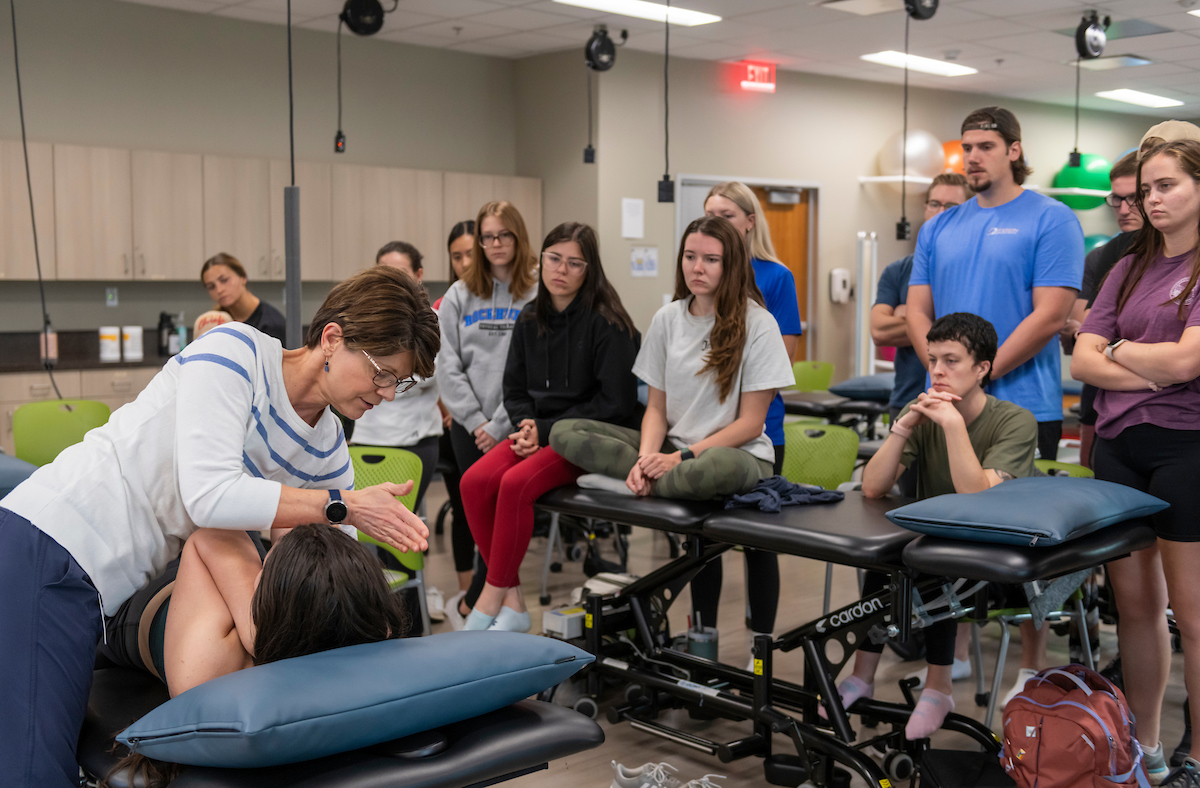
Rather than simply memorizing information, students actively engage with the material through simulations, demonstrations, case studies, and clinical opportunities. These experiences help reinforce classroom concepts while building confidence and competence.
The result is a stronger understanding of how healthcare knowledge translates into patient care.
Building Confidence in Simulation Labs
Every healthcare professional experiences a first day working with patients.
Simulation labs help make that transition smoother.
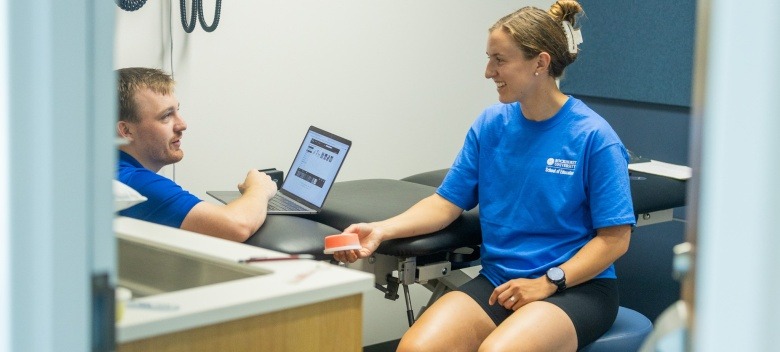
State-of-the-art simulation environments like the Seelos Simulation Center at Rockhurst University give students the opportunity to practice procedures, strengthen clinical judgment, and respond to realistic healthcare scenarios in a supportive setting. Students can make decisions, learn from mistakes, and develop their skills before working in actual clinical environments.
For many students, simulation experiences are where classroom knowledge truly begins to come alive.
They learn how to think critically under pressure, communicate effectively, and apply their training in situations that mirror real healthcare settings.
These experiences help students enter clinical placements with greater confidence and preparation.
Why Clinical Experience Makes a Difference
There is no substitute for learning alongside healthcare professionals in real patient care settings.
Clinical experience allows students to apply what they've learned while gaining exposure to different specialties, healthcare environments, and patient populations.
Students learn how healthcare teams collaborate, how patient needs vary, and how clinical decisions impact outcomes. They also develop professional skills such as communication, adaptability, empathy, and teamwork.
These experiences provide valuable insight into the realities of healthcare while helping students identify areas of interest for their future careers.
For many students, clinical placements help confirm their passion for nursing and healthcare while preparing them for success after graduation.
Developing Skills That Employers Value
Healthcare organizations want graduates who are prepared to contribute from day one.
Employers value candidates who possess both technical knowledge and practical experience because they often transition more smoothly into professional roles.
Through hands-on learning opportunities, students develop many of the skills employers seek, including:
- Critical thinking
- Clinical judgment
- Communication
- Teamwork
- Adaptability
- Problem-solving
- Professionalism
These abilities are difficult to develop through lectures alone. They are strengthened through experience, repetition, and real-world application.
The more opportunities students have to practice these skills, the more prepared they become to provide excellent patient care.
More Than Technical Skills
Healthcare is ultimately about people.
While clinical knowledge is essential, successful healthcare professionals must also demonstrate empathy, compassion, and the ability to build trust with patients and families.
Experiential learning helps students develop these qualities alongside their technical skills.
Working directly with patients allows students to better understand the human side of healthcare. They learn how to listen, communicate with sensitivity, and support individuals during some of the most important moments of their lives.
This combination of knowledge, skill, and compassion helps create healthcare professionals who are prepared to care for the whole person.
How Saint Luke's College of Nursing and Health Sciences Prepares Students for Success
At Saint Luke's College of Nursing and Health Sciences, students benefit from a healthcare education designed to prepare them for real-world practice.
From simulation labs and clinical placements to faculty mentorship and learning grounded in our Jesuit core values, students gain experience that helps them build confidence before entering the workforce. These opportunities allow students to strengthen their skills, explore career interests, and develop the professional competencies required in today's healthcare environment.
Students don't have to wait until graduation to begin preparing for their future.
They gain meaningful clinical experience throughout their educational journey while developing the knowledge, confidence, and compassion needed to make a difference.
Because in healthcare, learning isn't just about what you know.
It's about what you're prepared to do when someone needs your care most.
More in this series: